Wireless radiation. Our health. The questions that deserve a closer look.
The U.S. Department of Health and Human Services (HHS) is inviting families, individuals, clinicians, and researchers to share what they know about electromagnetic field exposure. That includes you.
Start with one experience. See an example beside your answer.
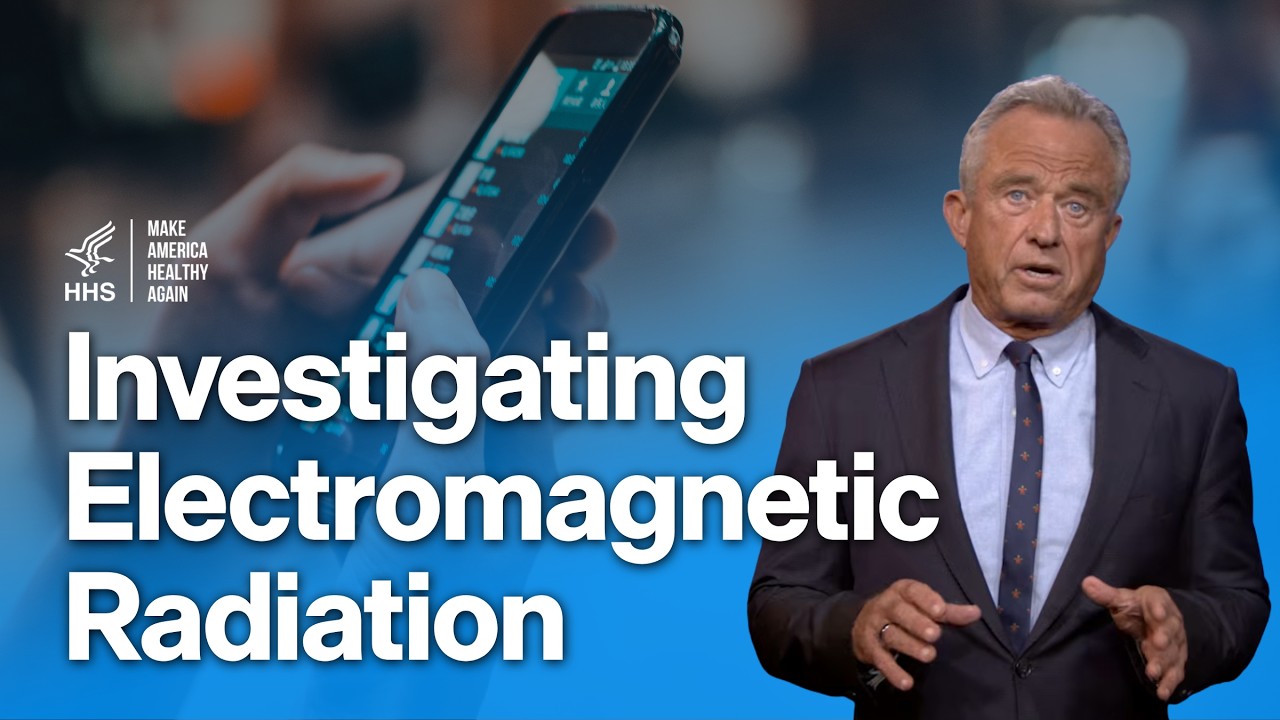
The invitation comes fromRobert F. Kennedy Jr.U.S. Secretary of Health & Human Services
Public inputSept 21– Oct 212026 ↗Official U.S. Government portrait, used under public domain. EMF RFI is an independent resource — not affiliated with, endorsed by, or authorized by HHS, the Secretary, or Regulations.gov.
Secretary Kennedy explains what HHS is looking into and why it is asking the public to contribute. Four minutes of context before you decide whether to respond.
Investigating Electromagnetic RadiationPosted by Secretary Robert F. Kennedy, Jr.
◇ Nothing loads from YouTube until you press play. This page contacts Google only if you choose to watch.
A request for information, or RFI, is a public invitation to share evidence, experiences and questions. Here, HHS—the U.S. Department of Health and Human Services—is asking about electromagnetic fields and health.
Your experience
Scientific evidence
Unanswered questions
→
THE HHS REQUEST17questionsEvidence and experiences
→
HELP INFORM
Research priorities
Safety discussions
Better questions
You don’t need a lab coat.
Families, caregivers, clinicians, researchers, and anyone with relevant information can contribute.
EMF means electromagnetic fields. It is a broad term. Everyday electricity, radio signals and light belong to different parts of this picture.
The useful question is: which kind of exposure, how much, for how long, and what happened? That is why this site separates experiences, measurements and health studies.
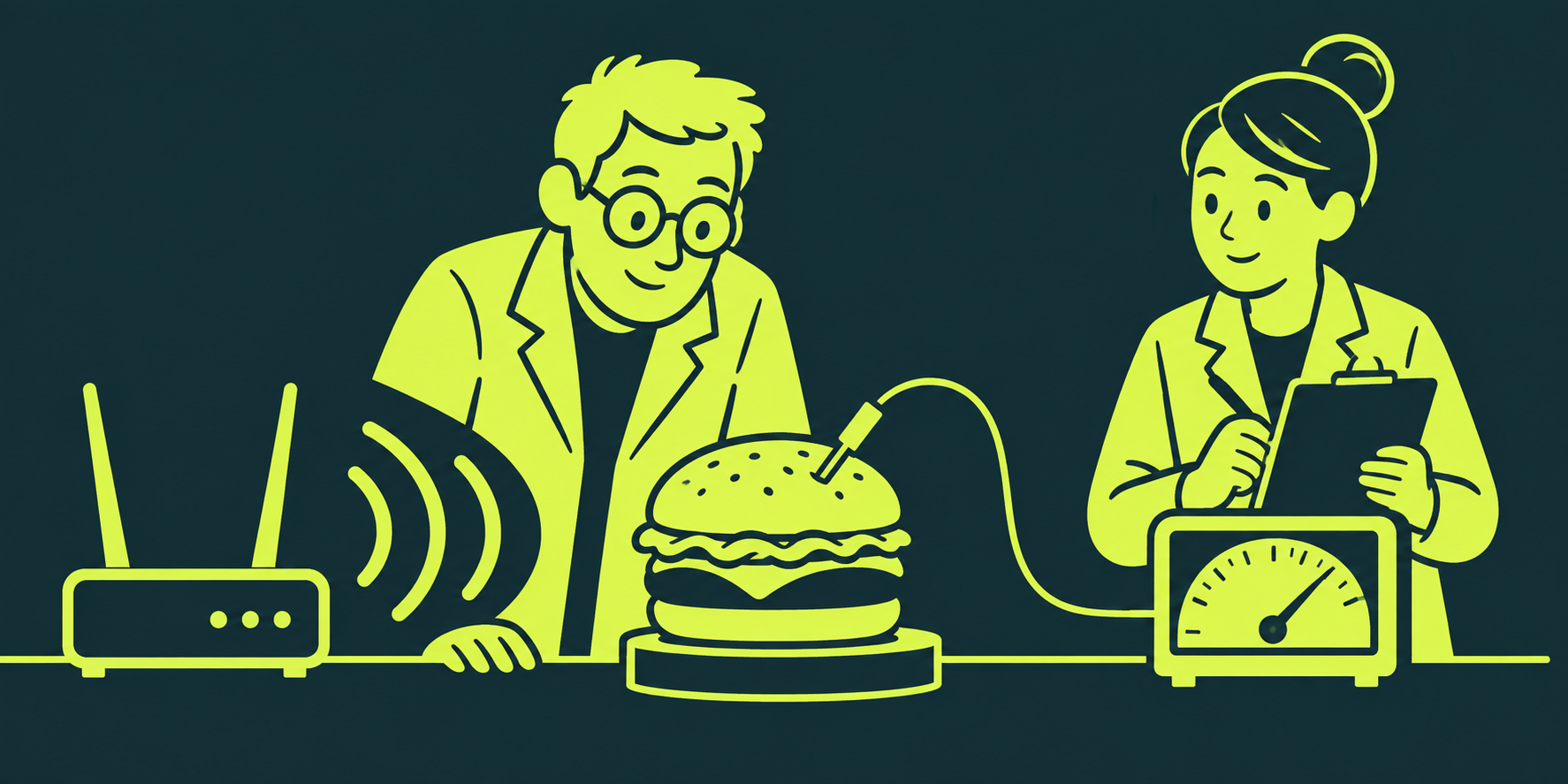
Wireless devices transmit when their radios are active. Appliances produce power-frequency fields; smart models may also use Wi-Fi. Distance and use matter.
people reporting EMF sensitivity included in one review
46
blinded studies in that review
Rubin et al., 2010 · Figures refer to review participants and studies, not population prevalence. Read the review ↗
What people report.
REPORTED SYMPTOMS · CAUSE NOT ESTABLISHED
Headaches. Difficulty focusing.
Reports include concentration difficulties and head pain.
Fatigue. Disrupted sleep.
Symptoms can affect energy and everyday routines.
Tingling. Skin sensations.
Some people describe burning, tingling, or redness.
When everyday life gets harder.
The impact can show up in what you stop feeling able to do. Work and social connection matter too.
Not feeling up to desk work.
Finding it hard to settle at a computer, stay focused, or face another work session.
Pulling back from social plans.
Wanting to see friends, but feeling too drained or uncomfortable to join in.
Illustrations of day-to-day difficulties, not diagnostic signs of EMF exposure. People may experience these changes for many reasons.
Experiences matter. So does finding the cause.
The 46-study review found no robust evidence that EMF exposure triggered symptoms under the conditions tested. These reports are not proof of causation.
I believe I spent years struggling with impacts from my surroundings before I recognized a pattern. Time in hybrid and electric vehicles helped me put words to a familiar feeling.
I built this resource to help others explore the evidence, ask questions and share what they have noticed.
Micah Coffey · Creator of PathwayMap A personal account, not proof of what caused the symptoms.
The experiencesSchool, the computer lab, home, work and the moments that made me pay attention.
The everyday choicesSunrise, outdoor breaks, wired devices and a cool, dark bedroom.
The invitationLearn something. Ask a question. Tell your own story if you choose. This resource is here even if you never file an RFI comment.
04 Add your piece of the picture
START WITH WHAT YOU KNOW.
Choose what you want to share. You can start with one experience or one question, then see an example beside your answer.
1
Find your topic.
An experience, a study you read, or something you want improved.
→
2
Put it in words.
Use an example to get started. Read your draft and remove private details.
→
3
Send it yourself.
Save your response, then paste or attach it on Regulations.gov.
Your draft stays in this browser. Official submissions become public. Leave out identifying and private health information. HHS requests one response per person or organization; anonymous submissions are allowed.